


Shoyu (soy sauce) is made from soybeans and wheat as the main ingredients, producing umami components through fermentation and aging. Under JAS standards, its quality is defined, and it is a traditional Japanese fermented seasoning indispensable to Japanese food culture.
This article answers “What is Japanese Soy Sauce?” and explores its cultural and culinary significance.
- Understanding the Terms: Shoyu and Soy Sauce
- How Japanese Soy Sauce Is Made (The Art of Fermentation)
- The Five Main Types of Japanese Soy Sauce
- Top Japanese Soy Sauce Brands (Shoyu)
- Japanese Soy Sauce Selection: From Classics to Evolved Forms
- How to Use Japanese Soy Sauce (Shoyu) in Cooking: Tips from Basic to Advanced
- How to Choose the Best Japanese Soy Sauce (Shoyu) and Keep It Fresh
- Japanese Soy Sauce Alternatives: Options for All Needs
- Japanese Soy Sauce (Shoyu) FAQ
- Conclusion
Understanding the Terms: Shoyu and Soy Sauce

Shoyu refers to Japanese soy sauce and is used in the same way as “Japanese soy sauce.”“Soy Sauce” broadly refers to soy sauces from various regions around the world.
For example, Japanese shoyu uses nearly equal amounts of soybeans and wheat, giving it a sweeter and richer aroma.
On the other hand, Chinese soy sauce often uses less wheat or only soybeans, resulting in a saltier and darker sauce with a stronger soybean flavor.
Shoyu is not just “soy sauce,” but a special product shaped by Japan’s unique brewing techniques and food culture.
Japanese Soy Sauce vs Chinese Soy Sauce
| Feature | Japanese Soy Sauce (Shoyu) | Chinese Soy Sauce |
|---|---|---|
| Wheat Content | Nearly equal to soybeans | Less wheat or soybean-only |
| Flavor | Sweet and rich aroma | Salty with strong soybean flavor |
| Color | Clear reddish-brown | Deep dark color, often with caramel coloring |
| Viscosity | Relatively thin | Dark types can be thick |
| Main Uses | General cooking, dipping and pouring, seasoning | Stir-fry, braising, color enhancement |
Japanese soy sauce features the sweetness and aroma from wheat, designed to not overpower delicate Japanese cuisine.
Meanwhile, Chinese soy sauce has a stronger flavor and coloring, suitable for bold seasoning. Choosing according to the dish maximizes each sauce’s appeal.
How Japanese Soy Sauce Is Made (The Art of Fermentation)
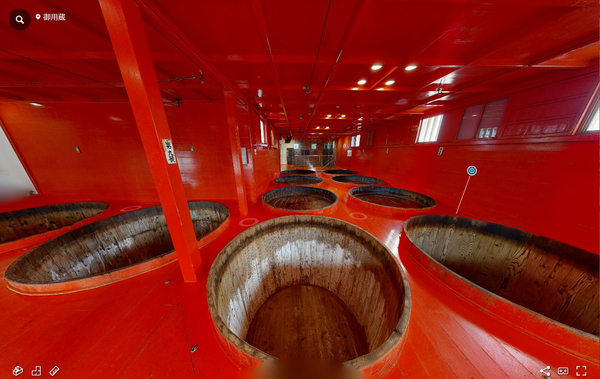
Japanese soy sauce is made from four simple ingredients.
Four Main Ingredients
- Soybeans
- Wheat
- Salt
- Water
Koji (Koji Mold) Process
In Japanese soy sauce production, the most important part is the koji mold called Nihon Koji mold (Aspergillus oryzae).
Steamed soybeans and roasted wheat are mixed, and this koji mold is added to create “soy sauce koji.”
The koji mold breaks down:
- Soybean proteins into amino acids
- Wheat starch into sugars
This builds the foundation of soy sauce’s complex flavor.
Honjozo Method (Traditional Brewing)
Most traditional Japanese soy sauces are made by a process called the honjozo method, which involves natural fermentation and aging.
Soy sauce koji is mixed with saltwater to make moromi, which is fermented and aged over several months to years.
This lengthy process produces the deep umami, aroma, and color unique to soy sauce.
It stands apart from chemically shortened methods such as “new-style brewing” or “blended brewing.”
The Five Main Types of Japanese Soy Sauce
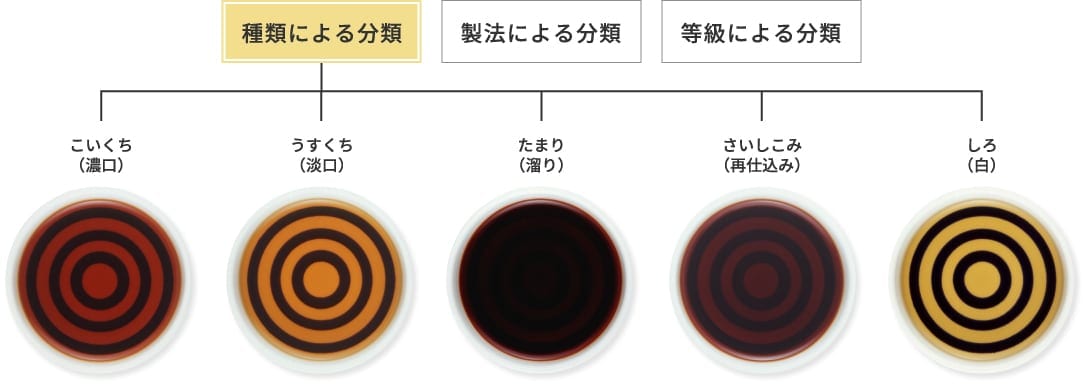
Japanese soy sauce is classified under JAS (Japanese Agricultural Standards) into five main types.
Each type has different characteristics and is used for various dishes.
| Type | Main Ingredients | Features | Main Uses |
|---|---|---|---|
| Koikuchi (Dark Soy Sauce) | Soybeans ≒ Wheat | Versatile; about 80% of production; good balance of flavor and aroma | All-purpose, tabletop use |
| Usukuchi (Light Soy Sauce) | Soybeans ≒ Wheat | Higher salt than dark soy sauce but lighter color | Soup, simmered dishes, udon |
| Tamari Soy Sauce | Mainly soybeans (less wheat) | Rich umami and viscosity; gluten-free if no wheat used | Sashimi, teriyaki, rice crackers |
| Saishikomi Soy Sauce | Soybeans ≒ Wheat | Brewed by re-fermenting with soy sauce instead of salt solution; more intense | Sashimi, sushi dipping |
| Shiro (White Soy Sauce) | Mainly wheat (less soybeans) | High sugar, very light color, subtle sweet aroma | Chawanmushi, clear soup, pickles |
Heat Treatment Effect: Nama (Raw) Soy Sauce
Regular soy sauce is heat-treated after fermentation and aging for quality stabilization, but nama soy sauce is not heat-treated.
Therefore, it has a fresher and more vibrant aroma and a mellow taste. Because enzymes remain active, it is said to more strongly draw out the umami of ingredients and is ideal for dishes like sashimi or cold tofu where soy sauce flavor is enjoyed directly.
Top Japanese Soy Sauce Brands (Shoyu)
Kikkoman: The Global Ambassador of Japanese Soy Sauce
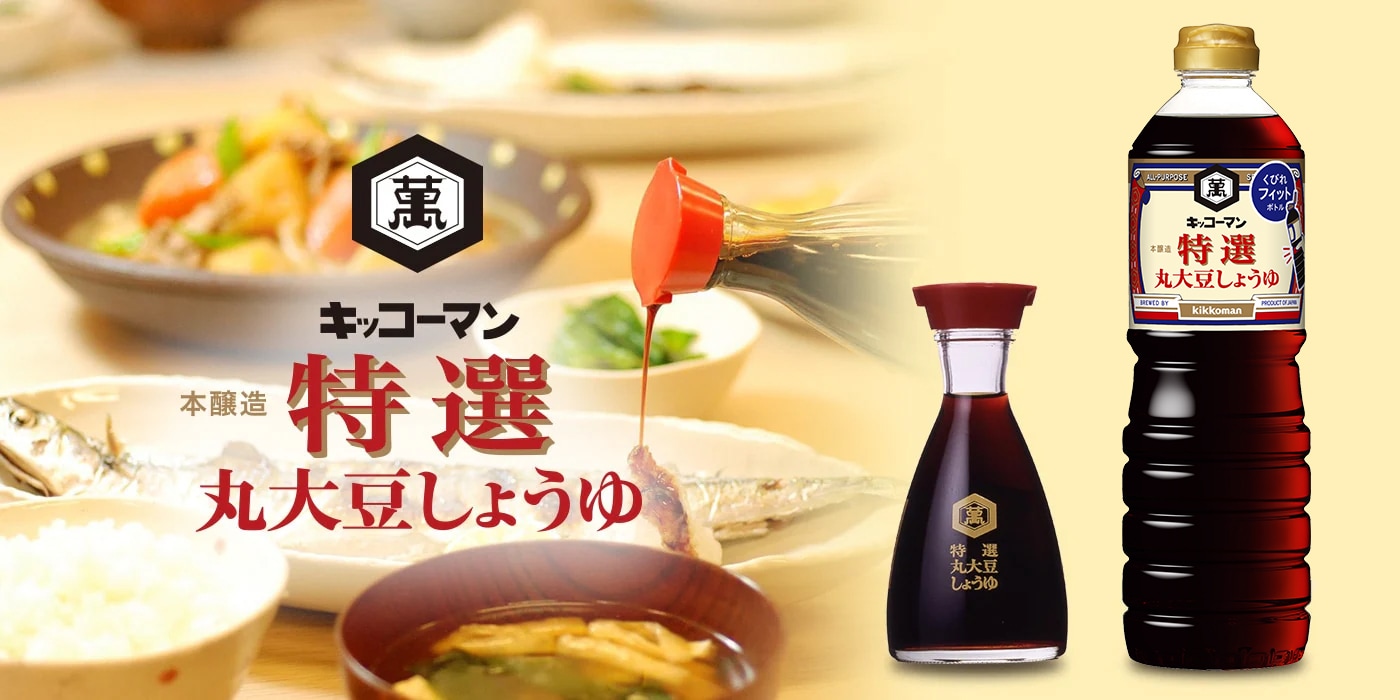
With over 300 years of history and traditional brewing techniques, Kikkoman has spread high-quality dark soy sauce to more than 100 countries, elevating the name “Kikkoman” as a synonym for Japanese soy sauce worldwide.
Its quality and consistency are highly valued around the world, and the range includes classic dark soy sauce, reduced-sodium versions, gluten-free options, and special blends for overseas markets.
Other Examples
- Yamasa: Characterized by rich color and aroma, used in many high-end Japanese restaurants.
- Higashimaru: Particularly known for light soy sauce, indispensable in delicate Kansai cuisine.
- Marukin: A traditional brand rooted in Shodoshima, considered a “holy land of soy sauce.”
- Craft Soy Sauce: Recently, small-scale brewers making craft soy sauces focused on long aging or specific regional ingredients are attracting attention. These have complex flavors like wine and captivate soy sauce enthusiasts.
Japanese Soy Sauce Selection: From Classics to Evolved Forms
Classic Soy Sauces
| Soy Sauce Type | Features | Example Uses |
|---|---|---|
| Whole Soybean Soy Sauce | Made using whole soybeans; mellow and deep flavor | Sashimi, simmered dishes, stir-fries |
| Reduced-Sodium Soy Sauce | Lower salt but with retained umami; health-conscious | Everyday cooking |
| Sweet Soy Sauce | Strong sweetness, popular in Kyushu | Sashimi, simmered dishes, tamago kake gohan |
Soy Sauce–Based All-Purpose Seasonings
| Seasoning Type | Features | Example Uses |
|---|---|---|
| Dashi Soy Sauce | Contains bonito, kelp, shiitake dashi | Simmered dish, salad, tamago kake gohan |
| Ponzu | Citrus juice (yuzu, sudachi, lemon) + soy sauce | Hot pot, grilled fish, salad |
| Soy Dressing | Soy sauce with vinegar, oil, sugar, spices | Japanese salad, meat, fish dishes |
Modern Unique Evolutions (Otaku Pop Mall Featured Products)
| Image | Soy Sauce Name | Features | Example Uses |
|---|---|---|---|
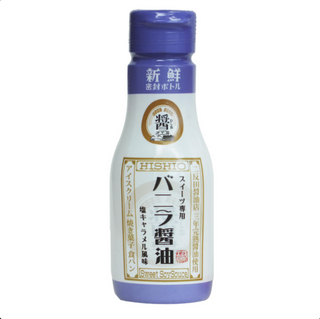 |
Nitanda Soy Sauce / Vanilla Soy Sauce | Sweet and salty miraculous flavor | Ice cream, pancakes |
 |
Nitanda Soy Sauce / Sweet Mitarashi Soy Sauce | Sweet and savory for desserts | Dango, Japanese sweets |
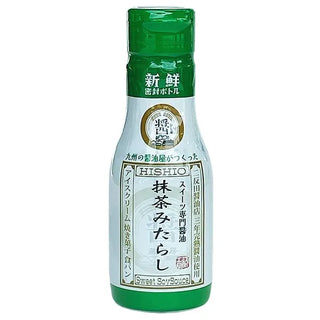 |
Nitanda Soy Sauce / Matcha Sweet Soy Sauce | Fusion of rich soy sauce and matcha aroma | Dango, matcha desserts |
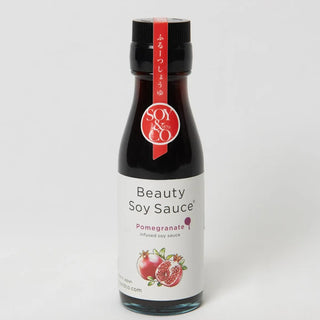 |
SOY & CO. / Beauty Soy Sauce Pomegranate | Bright acidity and fruity depth | Salad, meat, gyoza |
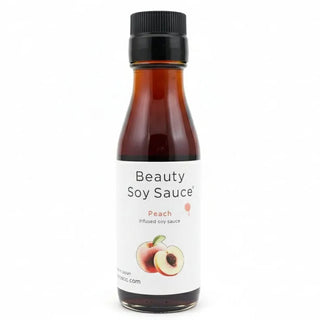 |
SOY & CO. / Beauty Soy Sauce Peach | Gentle sweetness and aroma | Salad, chicken, carpaccio |
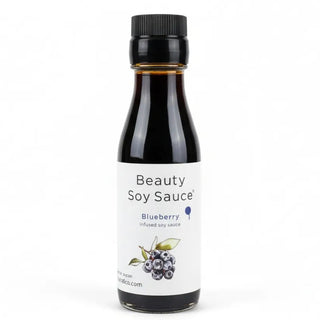 |
SOY & CO. / Beauty Soy Sauce Blueberry | Berry acidity and color | Salad, roast beef, cheese |
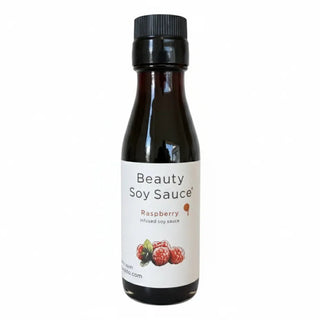 |
SOY & CO. / Beauty Soy Sauce Raspberry | Refreshing acidity and aroma | Meat dishes, dressings |
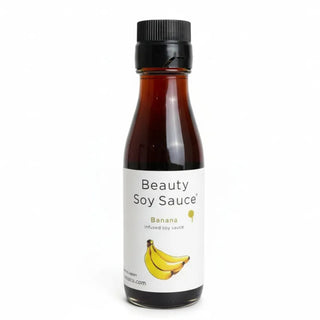 |
SOY & CO. / Beauty Soy Sauce Banana | Rich sweet aroma | Ice cream, pancakes |
How to Use Japanese Soy Sauce (Shoyu) in Cooking: Tips from Basic to Advanced

Japanese soy sauce can be used in various dishes by taking advantage of its diverse flavors.
Basic Uses
- Dipping / Pouring: For sashimi, sushi, cold tofu, tamago kake gohan, etc., to bring out the flavor of the ingredients.
- Simmered / Stir-Fried Dishes: Soy sauce enhances the umami and aroma, adding depth to the overall dish.
- Marinade / Seasoning: Removes odors from meat or fish, adds umami, and tenderizes the ingredients.
Recommended Recipes Using Japanese Soy Sauce
- Teriyaki Chicken (using dark soy sauce)
- Kinpira Gobo (using dark soy sauce or dashi soy sauce)
- Chawanmushi (using light soy sauce or white soy sauce)
- Japanese-style Pasta (using dashi soy sauce or dark soy sauce)
How to Choose the Best Japanese Soy Sauce (Shoyu) and Keep It Fresh

How to Choose Delicious Soy Sauce
- Look for “Honjozo”: Indicates traditional brewing.
Especially “Natural Brewing” uses whole soybeans, wheat, and salt only, fermented naturally for over a year, creating deep richness, mellow flavor, and subtle soybean aroma. - Check Ingredients: Soybeans, wheat, salt, and water only. Fewer additives mean a purer taste. Products labeled “Whole Soybean” use whole soybeans for deeper flavor.
- Color and Aroma: Look for clear reddish-brown with rich fragrance. If possible, taste to check balance of umami, saltiness, and finish.
Storage Methods
- Prevent Oxidation: Soy sauce changes color (darkening) and flavor (sour) when exposed to air. After opening, store in the refrigerator or a cool, dark place and use quickly.
- Airtight Containers: Preserve freshness; glass bottles are preferable. Modern options include double-layered bottles or push-type bottles to prevent air entry.
Japanese Soy Sauce Alternatives: Options for All Needs

Even with allergies or dietary restrictions, you can enjoy the flavor of Japanese soy sauce with alternatives:
Gluten-Free Options
- Tamari Soy Sauce: Most common gluten-free soy sauce. Uses little or no wheat. Rich flavor and umami.
Soy-Free Options
- Coconut Aminos: Fermented coconut sap, low sodium, soy-free. Sweet umami similar to soy sauce.
- Liquid Aminos: Made from soybeans or coconut, often soy-free and gluten-free. Similar flavor to soy sauce and versatile in cooking.
Japanese Soy Sauce (Shoyu) FAQ
Is Japanese soy sauce high in salt?
Typically around 15–18% salt. Not especially high compared to other countries.
Reduced-sodium soy sauce cuts about 50% salt while keeping umami.
Is Japanese soy sauce gluten-free?
Traditional soy sauces (dark, light) use wheat and are not gluten-free.
Tamari uses little or no wheat and can be used as a gluten-free option. Always check product labels.
Does Japanese soy sauce contain alcohol?
Yes, small amounts may occur naturally during fermentation or be added for quality stability.
Non-alcoholic soy sauces are available; check labels if avoiding alcohol.
Conclusion
Japanese soy sauce contributes to food culture worldwide through its variety, traditional brewing methods, and rich umami.
From classic soy sauces to modern innovative products, it continues to evolve while maintaining its deep cultural roots.
The featured Otaku Pop Mall soy sauces bring new Japanese flavors to your kitchen. Find your favorite bottle and experience the profound world of Japanese cuisine.
References